
English| EUR
Suggested for you
More currencies
Choose a language
Humpback whales pass through Moreton Bay on a predictable annual route between Antarctic feeding grounds and tropical breeding waters. The migration window runs from June through November, but sighting frequency, whale behaviour, and ocean conditions shift week by week. Knowing which phase of the season matches your priorities makes the difference between a distant spout and a close breach.
Quick answer
Whale watching Brisbane time of year runs from June through November, aligning with the humpback migration along Queensland's coast. July, August, and September deliver the highest sighting rates as whales travel northward and southward through Moreton Bay. Early season brings northbound whales moving steadily; late season brings mothers with calves moving slowly, offering longer surface time and closer encounters.
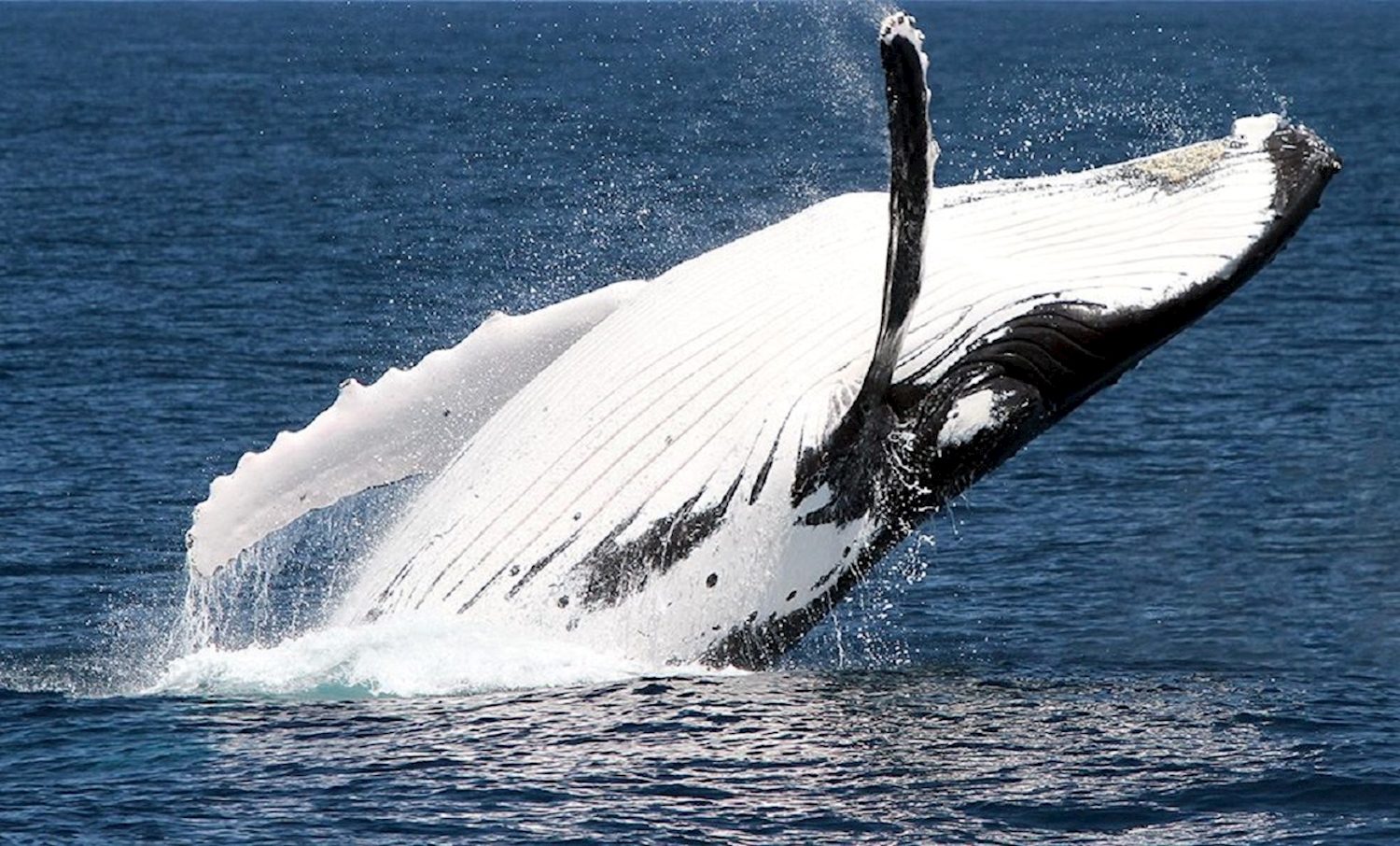
More than 33,000 humpback whales pass through Moreton Bay each year, making it the largest humpback migration on Earth. The journey covers 10,000 kilometres between Antarctic krill fields and the warm shallows of the Great Barrier Reef, and Brisbane sits at a natural chokepoint where the continental shelf funnels the route close to shore. That geography means whale watching Brisbane time of year is not a vague summer activity—it is a six-month procession with distinct phases, each offering different behaviours and sighting probabilities. The northbound phase begins in June and peaks in late July. Whales are fast and focused, covering 150 kilometres a day as they race toward breeding grounds. Surface time is brief, breaches are sporadic, and the priority is forward motion. By August the flow reverses. Southbound whales, now travelling with newborn calves, move at half the speed. Mothers rest frequently, calves practice breaching, and the encounters stretch longer. September remains reliably active, though ocean temperatures begin to rise and plankton blooms can reduce visibility. October brings the tail end of the migration—fewer whales, but those present are often relaxed, lingering in sheltered bays. Moreton Bay's protected waters mean tours operate in relative calm even during peak season. Humpbacks are spotted from Redcliffe Jetty to the offshore waters near Moreton Island, where depth drops from 20 to 400 metres within a nautical mile. That edge attracts krill, which attracts whales, and the proximity to departure points means most sightings occur within 40 minutes of leaving the jetty. Operators report success rates above 98 percent during the core window, a figure supported by daily spotter flights and real-time marine traffic coordination. Whale watching season Brisbane is also shaped by weather. June and July are dry and cool, with offshore winds keeping seas flat. August through September sees occasional spring fronts, which can postpone departures but also drive baitfish closer to shore, concentrating whale activity. November is warm and humid, with afternoon thunderstorms common but mornings typically clear. Most tours depart at 10:00, returning by early afternoon before weather builds. The seasonal rhythm is precise enough that advance booking opens in March, and weekend slots in August fill weeks ahead.
“More than 33,000 humpback whales pass through Moreton Bay each year, making it the largest humpback migration on Earth.”
The office operates daily throughout the whale watching season to assist with inquiries and tour information.
Access to the Redcliffe Jetty itself is free for all members of the public. Whale watching excursions require a paid booking through the official tour operator.
Verdict: While the jetty is free, visitors must purchase a paid booking for whale watching tours, with final prices depending on the specific tour package selected.
Whale watching departures are located at Redcliffe Jetty, Redcliffe Parade, Redcliffe QLD 4020, Australia. The jetty is most easily accessed by private vehicle or taxi from the Brisbane city centre.
M1 and State Route 26 from Brisbane CBD
Direct route to Redcliffe Parade
690 line to Redcliffe Parade at Redcliffe Jetty
Boarding for daily whale watching tours typically commences at 09:00 for a 10:00 departure. Aim for the best arrival window of 09:00–09:45 to ensure a smooth boarding process.
Confirm these essentials before your departure to ensure a smooth whale watching experience.
Everything you need to know about whale watching brisbane time of year
The peak season for a whale watching brisbane time of year typically runs from June through November. During these months, humpback whales migrate through the waters off the coast of Queensland.
To make the most of the whale watching brisbane time of year, it is helpful to check weather conditions before your visit. Booking a tour allows you to experience these majestic mammals in their natural habitat.
Yes, tour operators schedule trips specifically during the whale watching brisbane time of year when sightings are most frequent. These Brisbane whale watching cruise experiences focus on responsible wildlife observation.
For your scheduled tour, the best arrival window is 09:00–09:45. Boarding for daily whale watching tours typically commences at 09:00 for a 10:00 departure.
There is 0 AUD for entry to the jetty itself, though tours require a paid booking. This area serves as the primary departure point for vessels heading into Moreton Bay.
Families are welcome to join these marine excursions, provided they have a valid booking. Many find that the whale watching brisbane time of year provides an educational experience for travelers of all ages.
Due to the popularity of the season, it is recommended to secure your spot for a whale watching cruise well in advance. Tours operate daily, but availability can be limited during peak migration windows.