
English| EUR
Suggested for you
More currencies
Choose a language
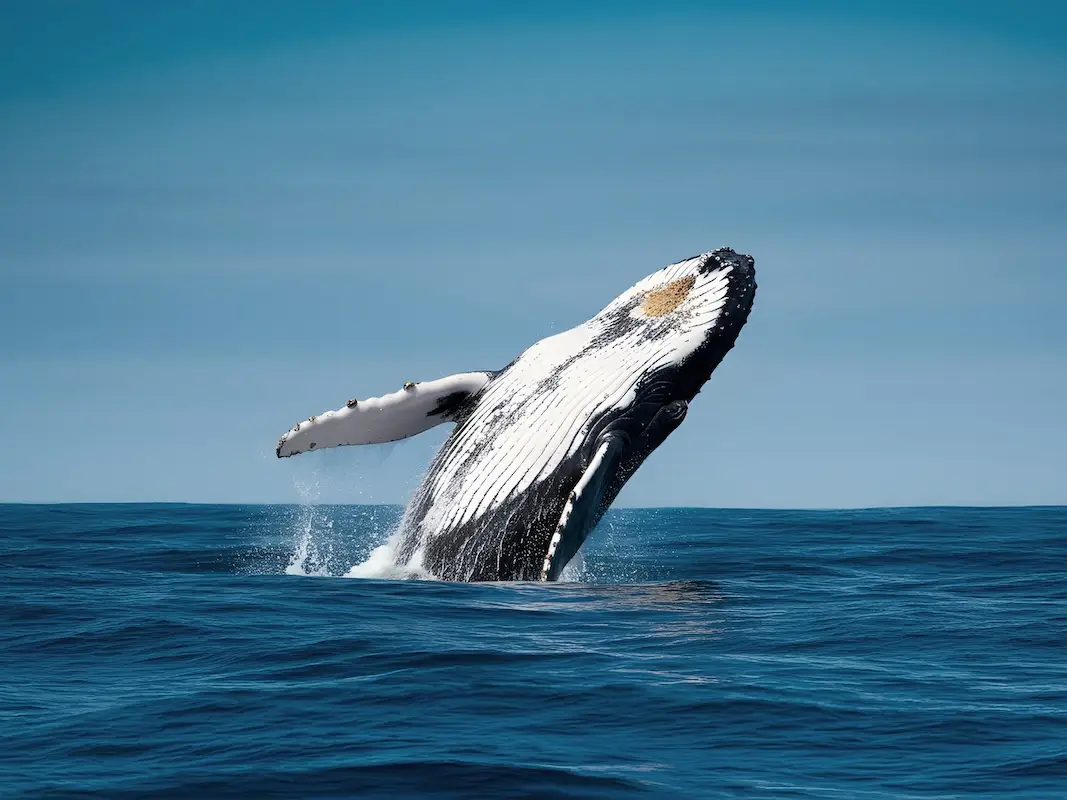
Between June and November each year, humpback whales migrate through Moreton Bay in numbers that regularly exceed 30,000 individuals. The Tangalooma Island Resort whale watching cruise operates daily throughout the season, departing from Holt Street Wharf in Pinkenba and offering one of the most consistent sighting records along Australia's eastern seaboard. This guide covers departure logistics, seasonal timing, and the preparation steps that ensure you board without delay.
Quick answer
The best whale watching cruise Brisbane option departs daily from Holt Street Wharf between 07:00 and 19:00, with the base package priced at 165 AUD per adult including return transfers and the cruise itself. Peak humpback sightings occur from July through September when migration numbers are highest, and morning departures between 07:00 and 09:30 deliver the calmest sea conditions. Bookings open months in advance and weekend morning slots fill earliest during the mid-season window.
Humpback whales travel over 5,000 kilometres from Antarctic feeding grounds to tropical breeding waters each winter, and Moreton Bay sits directly along that corridor. The Tangalooma route crosses the bay from Pinkenba to the western shore of Moreton Island, a journey that places vessels inside protected marine park waters where whale activity is both predictable and legally safeguarded. Sighting rates during the migration window exceed ninety percent across the season, a figure driven by the sheer volume of animals passing through and the relatively narrow width of the bay itself. The best whale watching cruise Brisbane operators can offer depends on vessel size, departure frequency, and proximity to the migration path. Tangalooma runs daily services aboard purpose-built catamarans equipped with open viewing decks and underwater microphones that capture whale song in real time. Morning departures align with the calmest wind and swell conditions, a factor that matters both for seasickness susceptibility and photographic clarity. The base package includes coach transfers from central Brisbane pickup points, removing the need to navigate to Pinkenba independently. Whale behaviour shifts across the season. Northbound migration in June and July sees faster travel speeds as whales move toward breeding grounds, while the southbound return from September onward includes mothers with newborn calves that linger near the surface and exhibit more frequent breaching. August sits at the seasonal midpoint and records the highest daily counts. Water temperature, plankton density, and moon phase all influence whale movement, but departure timing remains the variable travellers control most directly. The 165 AUD entry point covers the essentials: return coach transfer, the three-hour cruise, and access to Tangalooma's beach facilities during the island stopover. Check-in opens at 07:00 at Holt Street Wharf, and boarding closes thirty minutes before departure. Arriving within the recommended 07:00 to 09:30 window ensures you clear check-in without crowding the counter during the pre-departure rush. Tangalooma enforces passenger manifests for marine park compliance, so printed or mobile confirmation is non-negotiable at the gate.
“Moreton Bay records humpback sighting rates above ninety percent during the migration window, driven by the bay's narrow width and the volume of animals funneling through protected waters.”
The peak season for humpback whale watching in Brisbane spans from June to September, when these mammals migrate along the Queensland coast. Scheduling your visit for a weekday morning often provides a more settled sea state and smaller groups.
Cool, 15°C–21°C
Early migration period sees active breaching as whales travel north.
Mild, 16°C–23°C
Peak activity month with frequent sightings of mothers and calves.
Warm, 17°C–25°C
Final weeks of the season offer calmer waters for southern migration sightings.
—
Departing early maximizes your time on the water before afternoon wind increases.
Verdict: The best opportunity for sightings is during August on a weekday morning to balance high whale activity with lower passenger numbers.
The whale watching cruise operations are available daily throughout the week to accommodate visitor schedules. These hours apply consistently for all standard departures from Holt Street Wharf.
The departure point for whale watching cruises is Holt Street Wharf, located at 220 Holt Street, Pinkenba QLD 4008. Visitors can reach the terminal by car, taxi, or ride-share services, which provide direct access to the facility.
Follow the M1 or M7 to Holt Street, Pinkenba
Direct service via Gateway Motorway (M1)
Translink services to nearby stops followed by taxi
The best arrival window is 07:00–09:30. Arriving within this timeframe ensures sufficient time for check-in and boarding before the morning cruise departure.
Prepare for your whale watching departure with these essential items and steps.
Everything you need to know about best whale watching cruise brisbane
The experience offers a seamless journey into Moreton Bay, providing guests with opportunities to view humpback whales in their natural habitat. As a primary Brisbane whale observation tour, it focuses on wildlife education and marine conservation efforts. Guests appreciate the comfort of the vessel and the knowledgeable commentary provided throughout the excursion.
The optimal arrival window for those planning a visit is between 07:00 and 09:30. Arriving during these hours ensures sufficient time for the check-in process and boarding before the vessel departs for the open water.
The base package for an adult starts at 165 AUD. This fee includes both the return transfers and the whale watching cruise experience itself.
All vessels depart from Holt Street Wharf, located at 220 Holt Street, Pinkenba QLD 4008. This site serves as the primary gateway for tours heading out into the bay.
Families are welcome to join these maritime excursions. The stable nature of the vessel and the duration of the trip make it a manageable activity for children interested in seeing marine wildlife.
Visitors should pack sunscreen, a hat, a camera, and comfortable clothing suited for a day on the water. Bringing extra layers is recommended as ocean breezes can be cooler than the temperatures felt on land.
Redcliffe to Sunshine Coast Whale Watching
Read more GuideWhale Watching Near Brisbane
Read more Tickets & toursBrisbane Whale Watching Sunset Cruise
Read more GuideBest Time of Year for Whale Watching in Brisbane
Read more Tickets & toursWhale Watching Cruises with Lunch
Read more